The Bread We Hold Back
There is a quiet reality on our campus. Students who attend their classes but skip their meals.
Families who stretch one box of cereal across a week. Graduate students who carry family expectations and hopes in addition to their full course loads and empty pantries.
Food insecurity is not somewhere else. It is here. On our campus. In our classrooms. In our pews. And that should matter to us.
In Luke 3:11, John the Baptist said,
“Anyone who has two shirts should share with the one who has none, and anyone who has food should do the same.”
It is not complicated theology. It is discipleship in human flesh.
Centuries later, another preacher, Basil of Caesarea, wrote in his Homily to the Rich:
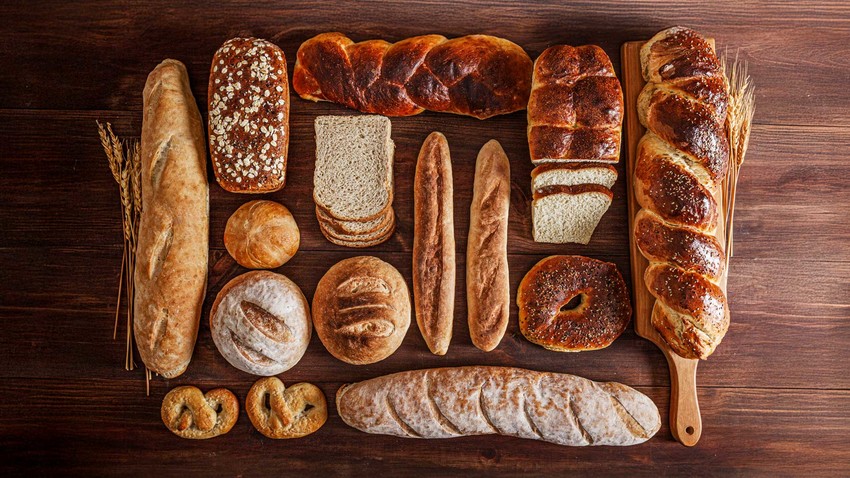
“The bread which you hold back belongs to the hungry; the coat which you guard in your closet belongs to the naked.”
In both John the Baptist’s and Basil’s agrarian world, excess was rare but it was life-threatening for someone else. The line between surplus and survival was thin.
We live in a technological society where scarcity is less visible. We can order delivery for dinner while someone down the block or the dormitory hall quietly rations ramen. We can stockpile without ever seeing the face of the one who lacks.
Fasting Reorients the Heart
As Adventists, we don’t typically observe Lent. Yet, many around us are leaning into a season of intentional fasting and self-denial. The intention behind the fast is to reorient the heart and life around Jesus as a routine discipline in their spiritual lives.
In Matthew 6:16–18, Jesus assumes we will fast. He doesn’t say if you fast, but when you fast. And he warns us not to perform it for applause. No ashes, gloomy faces or theatrics. Instead, it should be secret and sincere.
Fasting is not a health fad. It’s a deliberate dependence on God.
Sometimes we fast from things that are detrimental to our physical or spiritual health. Sometimes we fast from good things that have quietly crowded out our need for Jesus.
Food. Busyness, Media. Noise. Achievement. Money. Or, even, Ministry.
Fasting exposes dependence. It reminds us that we are not self-sustaining creatures. When we feel the ache of hunger, we remember that we are sustained by God’s grace alone.
But Fasting Must Move Beyond Us
While fasting might be what you need to reorient your heart to God. It is also an opportunity to serve those less fortunate. To fast is to stand, even briefly, in solidarity with those for whom hunger is not a discipline but a daily reality. In fasting, we choose what others endure and live in embodied empathy.
While fasting, some take the money they would have spent on meals and give it to those in need. Others take the time they would have spent watching the next episode on Netflix and invest that time in service. Some take their excess and give to those seeking basic sustenance.
There is no prescribed method but, the point is movement from self to neighbor.
Manna Food Pantry
On this campus, one tangible way to live this out is through the Manna Food Pantry.
Manna exists because food insecurity exists here. There are students balancing tuition, rent, textbooks, family obligations, and unexpected emergencies. When budgets tighten, groceries are often the first thing reduced. Hunger becomes normalized. Stigma keeps it quiet.
But no student should have to choose between bills and dinner.
No student should try to concentrate in class while wondering how to stretch the next meal.
If you are considering a fast, consider this: what if the money saved became groceries on someone else’s table? What if the hours reclaimed became volunteer time sorting and distributing donations? What if our private discipline became public mercy?
If you are interested in aiding those dealing with Food Insecurity a donation guide is listed below.
Drop off locations:
1. The Counseling & Testing Center, Bell Hall Suite 123
2. Campus & Student Life office (Campus Center main floor)
3. University Towers front desk
ITEMS NEEDED |
|
|
Canned Goods Vegetables (low sodium) Fruits (in juice or water) Beans (black, pinto, chickpeas) Tuna or salmon(in water) Soups & chili (low-sodium, hearty)
|
Grains & Staples Brown rice, quinoa, lentils Whole wheat pasta Rolled oats Dry beans
|
|
Boxed Foods Whole grain cereal (low sugar) Instant oatmeal (plain) Mac & cheese (whole grain preferred) Granola
|
Protein-Rich Items Peanut/almond butter (no added sugar) Nuts & seeds (unsalted) Protein bars (wholesome ingredients) Shelf-stable tofu
|
|
Dairy Alternatives & Shelf-Stable Powdered milk Shelf-stable plant-based milk Cheese spreads
|
Pantry Essentials Cooking oil (olive or vegetable) Salt, pepper, herbs & spices Vinegar (apple cider, white, etc.)
|
|
Other Additions Female Sanitary Products Toothbrushes and Toothpaste Deodorants Shampoo
|
Please Avoid Perishable items Opened or expired products
|